
You can spend months perfecting your service, your pricing, your website, and your customer care process. All of that matters. But before someone reads your brochure or speaks to your team, they are already forming an opinion. They notice the entrance. The lighting. The condition of the floors. The way the space feels when they step inside. Even details like Commercial Doors can quietly influence whether your business feels organised, safe, and worth trusting.
That may sound dramatic, but it is true. People read spaces quickly. Not always consciously, but definitely emotionally.
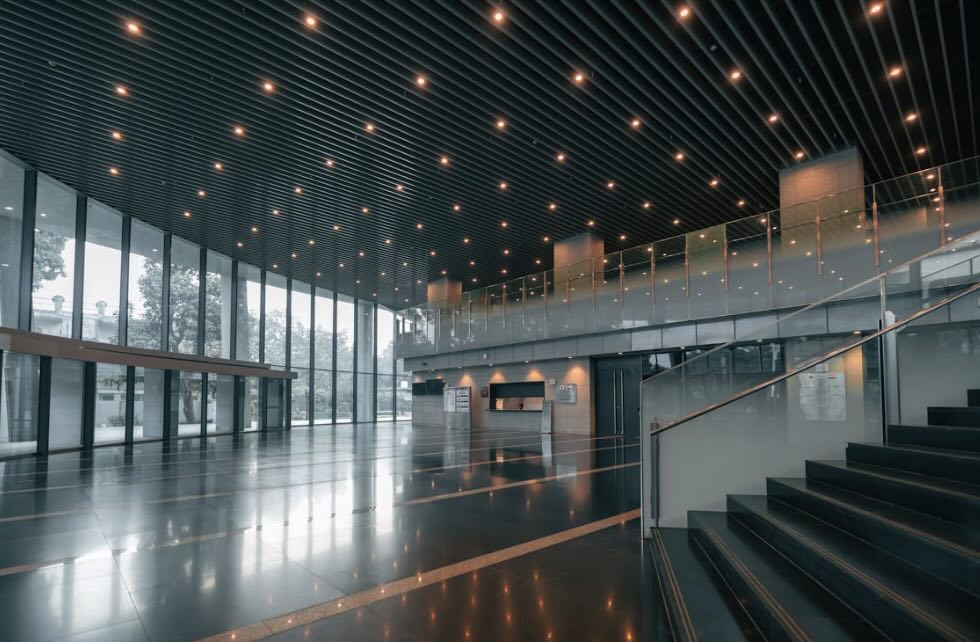
Via Pexels
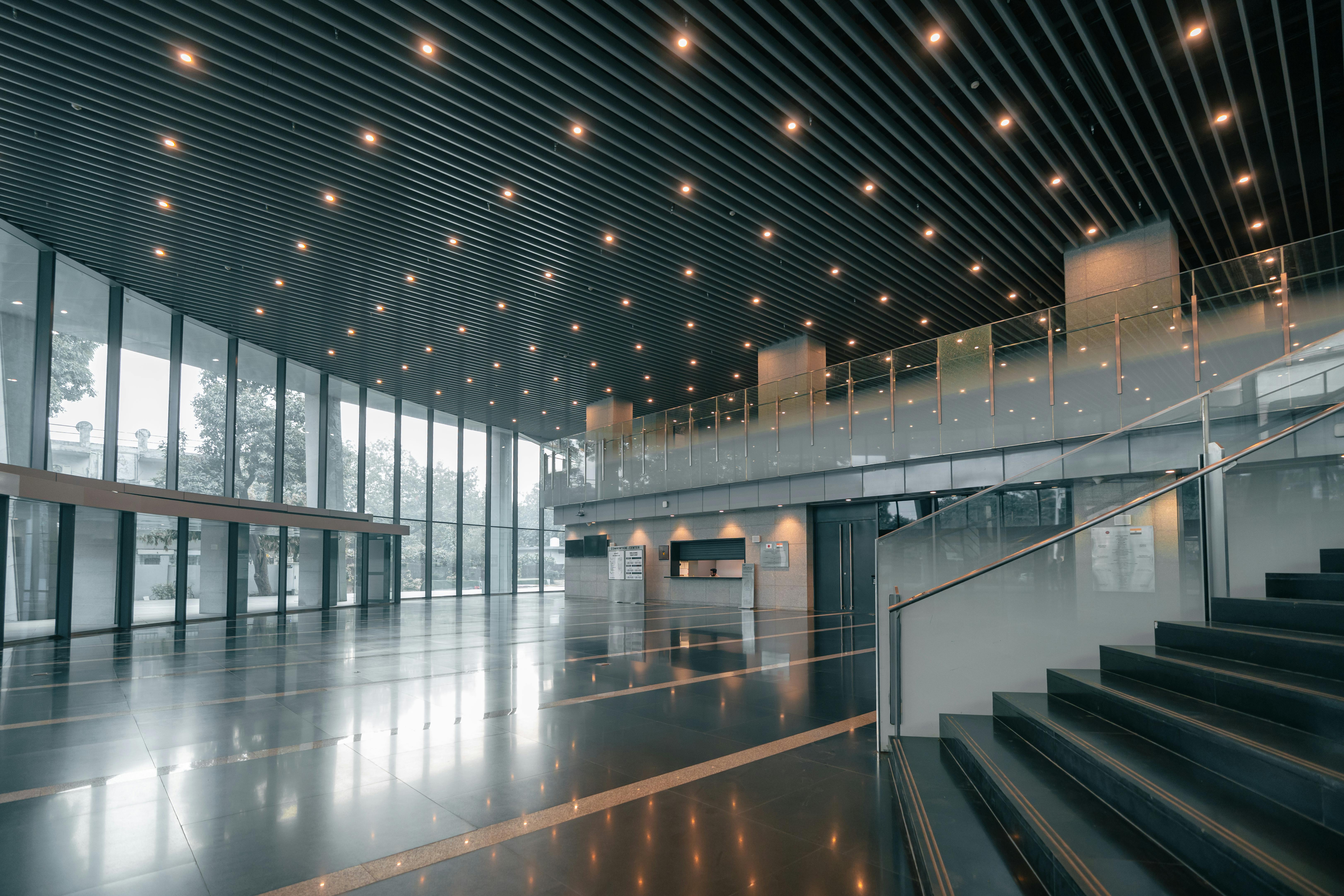
First Impressions Start Before Anyone Says Hello
Your building speaks before your receptionist does.
A clean entrance, a sturdy doorway, clear signage, and a well-maintained front area all tell visitors that you care about standards. On the other hand, chipped paint, stiff handles, damaged frames, or a door that looks like it has survived three decades of neglect can create doubt before you even get the chance to prove yourself.
This does not mean your business space needs to look expensive. It needs to look cared for. There is a difference. Customers do not expect every office, shop, clinic, or warehouse to feel like a luxury hotel. They do expect things to work properly.
A building that feels neglected can make people wonder what else is being overlooked.
Commercial Doors And The Message They Send About Your Business
Commercial Doors are a practical feature, but they also say something about your business. They suggest structure, safety, privacy, and professionalism. When they are chosen well and maintained properly, they help your space feel more dependable without needing to shout for attention.
Think about a medical practice, school, restaurant, office block, or retail space. The doors in those environments are used constantly. Staff move through them. Customers open them. Deliveries pass through them. Emergency exits need to function properly. Storage areas need protection. Private rooms need separation.
So yes, doors are functional. But they are also part of the customer experience.
A strong, clean, well-fitted door can make a space feel secure. A damaged or poorly fitted one can make it feel temporary, careless, or unsafe. That small detail becomes part of your brand, whether you planned it that way or not.
Safety Features Should Never Feel Like An Afterthought
Trust is not only about how friendly your team is. It is also about how safe people feel in your space.
Customers, clients, staff, and visitors want to know that the building has been planned with care. Fire-rated areas, secure entrances, accessible exits, and sensible internal divisions all contribute to that feeling. These details may sit in the background, but they matter when something goes wrong.
The smartest businesses do not wait for problems before taking safety seriously. They look at the building as a whole. They ask where people enter, where they gather, how easily they can move through the space, and what risks need to be reduced.
That kind of thinking builds quiet confidence.
The Details That Make A Space Feel Professional
Professionalism is often built through repetition. A clean counter. A door that closes smoothly. A waiting area that is easy to navigate. A bathroom that is not treated like an afterthought. Good lighting in the hallway. Clear access points for staff and visitors.
None of these details is exciting on their own. Together, they create a feeling.
That feeling tells people, “This business is paying attention.”
And when people believe you pay attention to your building, they are more likely to believe you will pay attention to them.
Practical Upgrades Can Protect Your Reputation
Not every upgrade needs to be dramatic. Sometimes, the best improvements are the ones nobody loudly compliments because they simply make everything work better.
A better entrance flow can reduce confusion. Stronger doors can improve security. Better signage can prevent awkward wandering. Cleaner finishes can make your space feel more current. These choices do not just improve the building. They protect the way people experience your business.
Your reputation is not shaped by one big thing. It is shaped by hundreds of small signals that either build trust or weaken it.
So, when you look at your business space, do not only ask whether it looks good. Ask whether it feels reliable. Ask whether it makes people comfortable. Ask whether the details are helping your brand or quietly working against it.
Because trust often begins in the places most people forget to check.

David on Building Great Products, AI and Tech Shifts
By David Fradin |

Untold Stories From the Early Days of Apple Computer
By David Fradin |

Product Success Issues: Uses of Artificial Intelligence in Product Success Management
By David Fradin |
