

Every product should have a strategy, a plan. The strategy should be mostly done before the development begins.
Many simply make the mistake of just identifying a few parts of the strategy, and then jump into development. Only later, when the product is being announced or even after the product is in the market and does not sell, does the organization go back and try to figure out the strategy.
This approach of “ready, fire, aim” leads to many product failures.
It is far better to “ready, aim in the general direction, fire and refine.”
A strategy or a plan for your product for a specific market or markets is what I call a “product market strategy.”
A product market strategy is essential to product success.
Product Market Strategy Checklist
Getting Started:
❏ Values, Vision/Mission Statement
❏ Decision Making: DACI or RACI Chart
❏ Schedule with responsibilities
❏ Discover
❏ “Do”
❏ Innovation
❏ Problem Scenarios Use Cases and Outcomes
❏ Opportunity and Risks
❏ Prioritization
❏ Value Propositions
❏ Personas
❏ Market/Competitive Research and Analysis
❏ Market Status and Adoption
❏ Technology Insights
❏ Product Positioning
❏ Market Size, Segments and Target Market
❏ Total Available Market
❏ Plan
❏ Product Market Vision, Opportunity and Description
❏ Competitive Environment
○ Strengths, Weaknesses, Opportunities and Threats (SWOT)
❏ Product Features, Advantages, Benefits and Problems Solved
❏ Pricing Strategy
❏ Market Penetration Strategy
❏ Channels, Partners and Affiliates
❏ Training for Sales, Marketing, Distribution, Channels, Partners, Affiliates, Operations, Support and Service
❏ Cost and Pricing Strategy and Business Model
❏ Basic Data Analysis
❏ Sales Forecasting
❏ Budgeting, Expense Control and Return-On-Investment
❏ Metrics
❏ Intellectual Property
❏ Product Road Map
❏ Product Portfolio
Discover “Do”

In order to build an insanely great product, one must first do the market research with what I argue is to learn what people “do,” and the resulting outcome they desire. I also argue one should NOT start with asking people what they want or need. One should start with observing the prospective customer to see what they are doing, and then interview them about it.
By starting with the “Do” you will also be able to group those who are looking for the same outcomes into market segments that will be far better than grouping on demographics, for example.
Doing it Right: Start with what People and Organizations “Do”
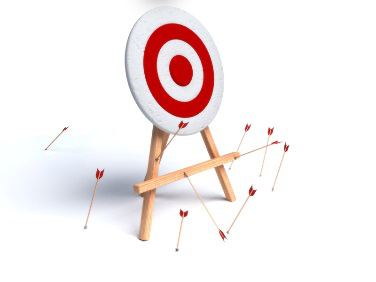
“Ready, Fire, Aim” has become the mantra of Silicon Valley investors lately, or “Fail Quickly”.
I prefer to call it “Ready, Fire, Fail.”
Here is why I think, at least in part, that concept has developed over the years.
Doing primary market research is hard and most do not know how to do it.
For example, several years ago a fellow who worked at Tivo came to me with an idea for a new game machine. One of my colleagues suggested we pull together a focus group and explore the idea. He asked “how much would that cost?” We told him it would be approximately $30,000. He said he could not afford that and went off on his own, spent far more, and failed. He lost it all.
One should not reach the development stage of a product without doing adequate market research. Not, as many do, just before going to market. It should be done before development begins, and continue during the development phase.
How much should you spend? Enough to give you a really good idea that the product would be successful, and certainly commensurate with the total investment costs and potential return on investment. Instead, many think that you have to have a “visionary” person who somehow defies the masses. A person who can peer into the future, and miraculously divine what the market will buy. Yes, you need people who, “Think out of the box” and easily ask, “why not?,” instead of always saying, “Why do you want to do that?”
Do
Keep in mind, you need to understand your customer better than your competitors understand their customers themselves.
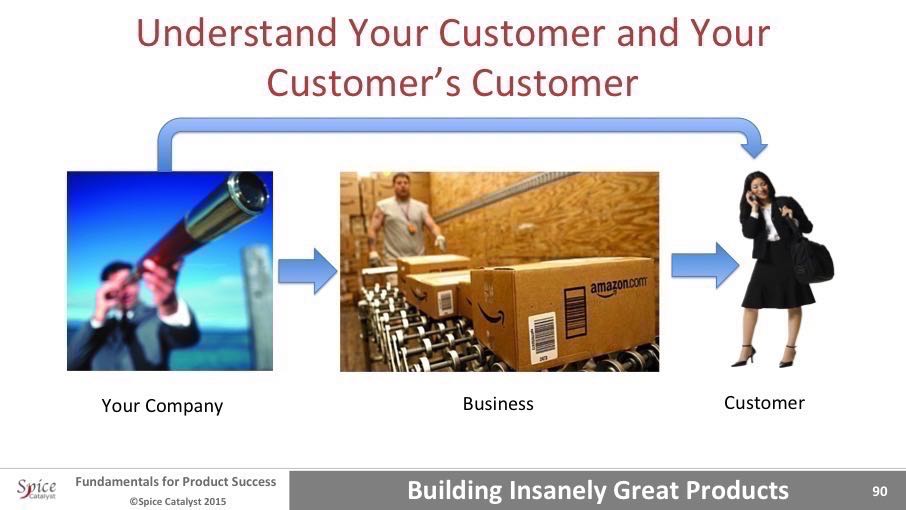
In the case of business-to-business selling, here is a revolutionary thought: understand your customer’s customer better that your customer does. That invokes loyalty, since your business customer will be coming to you to help them understand their customer. GE, Phillips, Oracle, and others have done this with great success.
The way to figure out what your prospective customer wants to “do” is: (1) observe; (2) interview; and (3) survey (in parallel use big data, if available, with analytics).
Let me explain why doing your primary market research in this order is so important.
First, asking via an interview and/or through a survey runs right into the problem that people generally cannot tell you what they want. If you don’t implement what is being discussed here, then the chances are the customer will just ask for the product to be less expensive.

David on Building Great Products, AI and Tech Shifts
By David Fradin |

Untold Stories From the Early Days of Apple Computer
By David Fradin |

Product Success Issues: Uses of Artificial Intelligence in Product Success Management
By David Fradin |
