


Intellectual property is a vital business asset that you need to protect. However, this area can be difficult to understand. Figuring out the difference between a copyright and trademark often confuses business owners. This guide will reveal how to distinguish one from the other and what makes both categories important!
Differences Between Copyright and Trademark
Both terms refer to intangible assets, such as names, logos, designs, literary works, inventions, etc. Along with patents, copyrights and trademarks protect intellectual property. That’s their only similarity because they refer to different things.

What Does a Copyright Protect?
Copyright is an exclusive right that belongs to a creator of an original work. You can apply copyright to different creations, such as:
- Literary works. This covers anything from novels to poetry, movie scenarios, and any other original writing piece.
- Musical creations. You can copyright songs and other audio materials, but also video creations.
- Artistic works. That includes paintings, drawings, and anything else that can be considered art.
- Other creations. Architectural designs, computer software creations, and scientific research are only some examples of original work.
As for the items that don’t subject to copyright, these include:
- Common information. These include anything from public documents, such as telephone directories, rulers, and standard calendars.
- Systems, methods, or ideas. If you make a scientific discovery or design a mathematical formula, you can’t copyright it.
- Fashion items. You can copyright a specific pattern but not a particular dress.
How to Get and Protect Copyright
The actual creation generates your copyright to that original piece of work. The condition is that you preserve the work in a tangible form. So, if you don’t record or write down a speech, you can’t copyright it.
If you want to be on the safe side, you can head to the U.S. Copyright Office and register your original work. That means an official authority will confirm you get the copyright for that work. However, the process takes a while, and you pay all the charges. If the authorities approve, you get a registration certificate, which can serve as evidence in court if you get it within five years from publishing the work.
Copyright can expire. In the United States, it lasts as long as the author is alive and 70 years after they pass. If the creator is anonymous, it lasts 120 years from the making date or 95 years from the publishing date (whichever comes first). Another thing to note is that you can’t extend copyright.
Protecting Your Copyright
Getting this intellectual property right is easier, but protecting it is the tricky part. Registering your work with the U.S. Copyright Office helps, and here is what else you can do:
- Copyright symbol. © is the symbol you should use to show you have a copyright to that piece,
- Marking the work. You often find watermarks on images or business brands on other works.
- Poor man’s copyright. If you send the piece to yourself, you have proof of when you created the work. However, registration is a more powerful tool in court.
You can also use Creative Commons licenses if you want the work you created to offer certain freedoms to those who plan to use it.
What Does a Trademark Protect?
A trademark is a set of intellectual property rights that helps to recognize a certain brand from others. It serves to protect designs, symbols, and phrases. If you have a business, you can protect its name, logo, and slogan with a trademark. You can also apply it to all the brand names you created.
For example, Apple is a business name but also a trademark worth billions. On the other hand, iPhone is its brand name, but also a trademark owned by the company. Apart from trademarks, there are also service marks. Apple registered iTunes Store as a service mark since it helps to distinguish this service from others that the company offers.
Trademark Registration and Protection
You’ll use some trademarks as long as your business is active. That’s why trademarks don’t have an expiration date, which is their crucial difference compared to copyrights. Times are rough, so it’s smart to register your trademark. It takes submitting a request with the U.S. Patent and Trademark Office. After you receive approval, you get a certificate that lasts forever. However, it’s important that your name or slogan doesn’t match those already registered. Otherwise, you won’t get the trademark. If you’re interested in talking to an attorney to register your trademark, you should contact a business attorney.
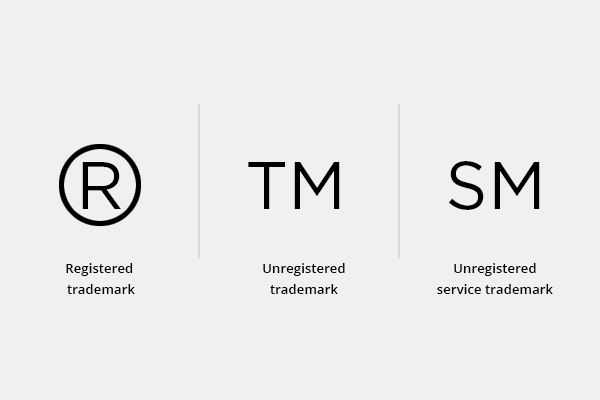
You can register your trademarks with the state, but also on a federal level. The latter is a better option for legal protection. It also allows using the ® symbol, which confirms you registered the trademark. If you don’t have a certificate, you can still put ™ on your trademarks. But before you resort to placing this symbol, make sure someone else doesn’t have the right to that intellectual property.
Maria Azadian

Maria Azadian handles content marketing at Nevada Legal Group. Through her extensive research and commitment to her passion for Human rights, Maria has established herself as a prominent author in personal injury matters in Las Vegas, Nevada.

David on Building Great Products, AI and Tech Shifts
By David Fradin |

Untold Stories From the Early Days of Apple Computer
By David Fradin |

Product Success Issues: Uses of Artificial Intelligence in Product Success Management
By David Fradin |

TESTIMONIALS

"I have done the marketing plan and got a great score from my working company. Thanks for your course and coaching."
Hsitang L
Student
"Very interesting course on the effective use of Social media in marketing. Must for all the Product Marketing managers. Simple & effective delivery of content. Thanks, Professor David."
Karthik S
Student
"Excellent Course for Marketing Strategy. It was comprehensive, easy to follow, and had the perfect balance of hands-on activities and lectures that left me with a full marketing strategy and implementation plan at the end of the course. Great course for anyone starting from scratch."
Spencer J.
Student
"David’s key Product Management and presentations skills were key to my success in starting up and building Apple Pacific in the early 80s."
Sami A
Client
"David continues to be a valued resource for general marketing expertise, industry knowledge, and product marketing know-how. We reference his clear insights regularly."
Peter M
Client
"David has been an excellent coach and mentor. Very detail oriented and practical in his approach. His ideas and frameworks are simple, practical and easy to understand and adopt, being extremely effective at the same time. The concept of ‘Do, value proposition’ is one such excellent framework which not only helps in formulating compelling value proposition for the customers but is also a source of ideas for new product innovation."
Manish B.
Student
"David is a very experienced and talented business professional. I have witnessed this first hand, as has demonstrated his ability across multiple disciplines, including market analysis, segmentation, customer profiling, competitive reviews, product management, marketing and sales strategy development and execution, to name but a few. In addition, he has great communication skills."
Mike B, Lead Generation Consultant
Client
"I met Dave through a consulting engagement while I was at YouSendIt. It was easily the single most useful and insightful consulting engagement I’ve experienced in my career. From his analysis of our industry to the product recommendations, Dave gave us actionable information that made YouSendIt a better company."
Chris B. (YouSendIt)
Client
"Building Insanely Great Products" is a great Segway into the product management space and contains insightful and practical advice which I am now going to validate with some of the projects I am working on"